
If you are planning to replace electric hot water with a heat pump, it helps to understand the changeover before choosing a model. The existing tank’s position and capacity are useful starting points, but they do not establish that every heat pump will suit the same installation.
For homes in Wollongong, Shellharbour, Kiama, Albion Park and Nowra, a useful enquiry begins with photographs of the current setup and a description of how the household uses hot water.
Are you replacing a failed heater, planning ahead or looking to reduce electricity use? Explain your main priority, along with any budget or timing constraints.
Heat pumps use electricity to transfer heat from surrounding air into water, rather than relying only on direct resistance heating. The Australian Government’s electrification guide explains their efficiency benefits and the need to consider upfront costs and available space.
The practical decision still comes down to the particular product and installation. Ask for a comparison that includes the completed job, rather than comparing appliance prices alone.
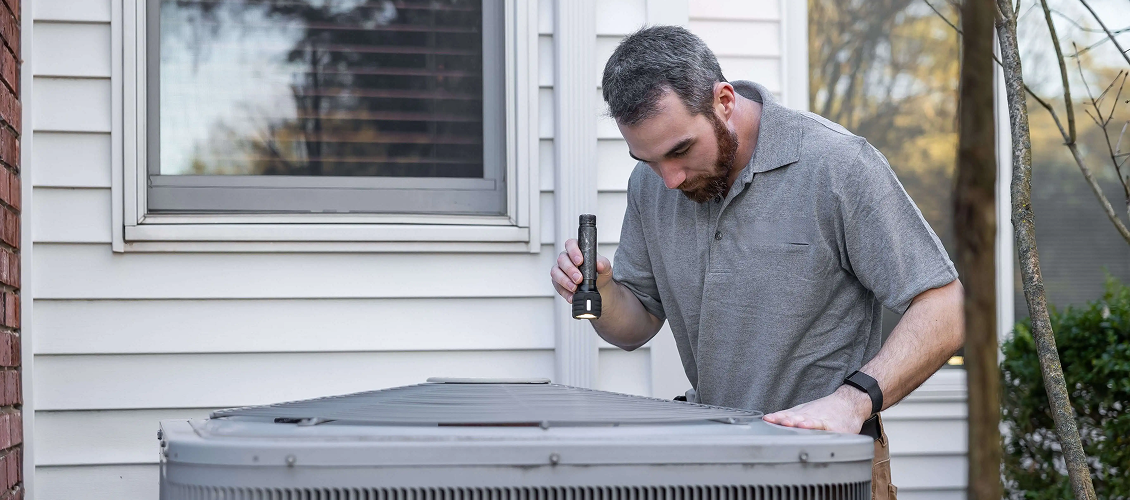
A location that worked for an electric storage tank may need reassessment for a heat pump. Ask the installer to check the chosen model’s airflow requirements, clearances, drainage and servicing access.
Discuss nearby bedroom windows and neighbouring properties as part of placement planning. Tell the installer about planned fences, screens or landscaping that could change the space around the unit.
Do not order a model solely because the tank dimensions appear to fit. The required operating space can extend beyond the appliance’s physical footprint.
Ask a qualified electrician to assess the existing connection and the requirements of the proposed model. Do not assume the old circuit or connection method can be reused without checking.
If you have rooftop solar or a controlled-load tariff, explain that during the enquiry. Ask how the proposed heater would be supplied and controlled, and whether any changes are included in the quotation.
A household wanting daytime heating should also discuss when it uses the most hot water. The installer needs to consider the schedule alongside capacity and recovery performance.
Tell the supplier whether the current system runs short and when it happens. Several showers close together can create different requirements from the same number spread across the day.
Bring details of regular bath use, guests and planned bathroom changes. Request a recommendation for your actual usage rather than treating the old tank capacity as an automatic specification.
You can compare the available heat pump hot water systems once those requirements are clear.
Ask the quotation to identify the selected model, removal of the old heater, installation work and any additional trades required. If an incentive-related discount is offered, have its conditions confirmed for your purchase.
Discuss the likely interruption to hot water and what access is needed on the day. At handover, ask for a demonstration of the controls, the normal operating settings and the correct model documents.
To discuss the changeover, contact Illawarra Hot Water with your current heater details, household routine and installation photographs.
Possibly, but the proposed location needs assessment against the exact model’s requirements.
No. A heat pump can operate using grid electricity. Existing solar generation can be considered when planning its operation.
Have the existing connection, tariff and proposed operating arrangement checked. Ask what changes, if any, are recommended before booking.

Shop online or call for same day service across Illawarra and surrounding areas
To order supply and installation, please contact our team:
Please note: an additional $185 charge will apply if a tempering valve is required.