Heat Pump Hot Water Systems in the Illawarra
Heat pump hot water systems use a different approach to heating water compared with conventional electric storage systems.
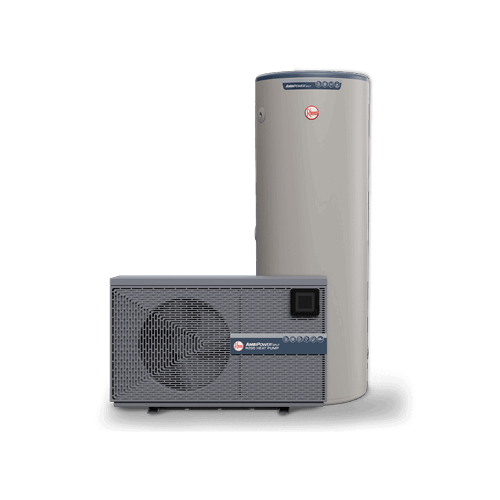
Instead of using electricity directly to heat the water, a heat pump uses electricity to transfer heat from the surrounding air into the water stored in the tank.
Featured Heat Pump Hot Water Systems
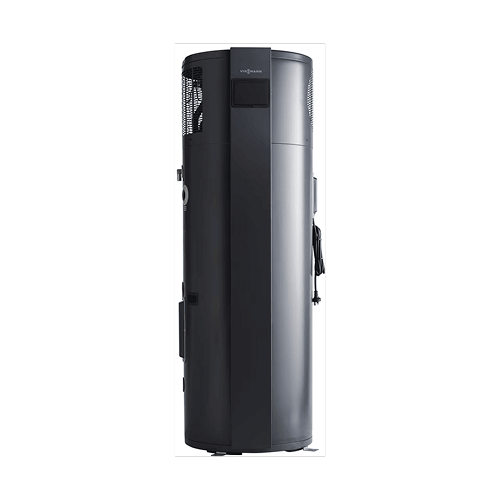
Viessmann Vitocal 161-A 200L Heat Pump Hot Water System
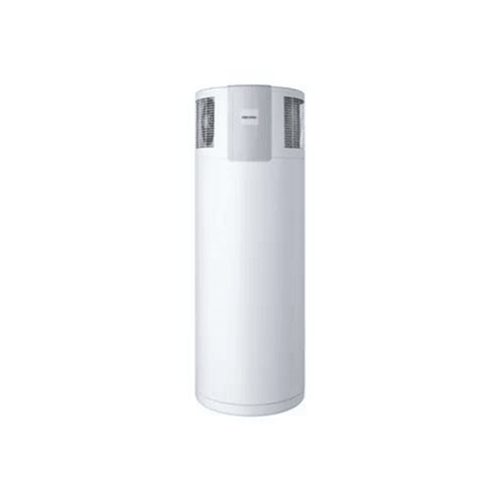
Stiebel Eltron WWK302/WWK302H Heat Pump
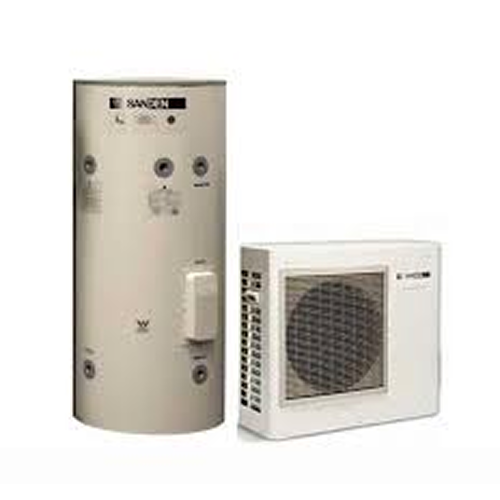
Sanden 250 Heat Pump (Stainless Steel tank) Model GAUS-250FQS
How Does a Heat Pump Hot Water System Work?
A heat pump works by transferring heat from the surrounding air into the water stored in the tank.
Although the system uses electricity, the electricity is primarily used to operate the heat pump components rather than directly heating the water with a conventional heating element.
Electric Storage Hot Water Systems
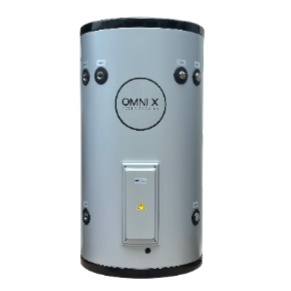
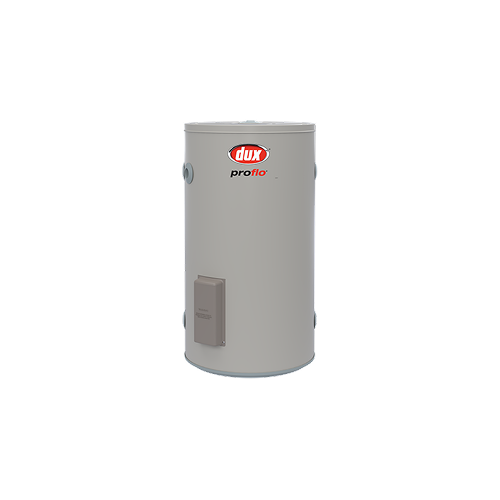
An electric storage system heats water using an electric heating element located inside the storage tank. Once heated, the water remains stored and insulated until it is needed.
When a hot water tap is opened, heated water leaves the tank and cold water enters to replace it. The heating element then heats the incoming water so the system can maintain its hot water supply.
Electric Instantaneous Hot Water Systems
An instantaneous electric system heats water as it passes through the unit rather than storing a large volume of heated water in a tank.
When a hot water outlet is opened, water flows through the heating unit and is heated before reaching the tap. This type of system can provide a compact solution where space is limited, although the system needs to be appropriately sized for the required water flow.
Benefits of Heat Pump Hot Water Systems
Transfers Heat From the Air
Electric storage systems maintain a supply of heated water ready for household use, making them a familiar solution for everyday hot water needs.
Designed for Energy Efficiency
Storage systems are available in different tank sizes, allowing you to select a capacity appropriate for your household and expected hot water demand.
Uses Electricity
Electric systems can be suitable for a variety of residential applications, subject to the property’s existing electrical, plumbing and installation requirements.
Hot Water Storage
You can choose between traditional storage systems and instantaneous systems depending on your available space and hot water usage.
Suitable for Australian Homes
Electric systems use established heating technology and can provide a simple solution for homes requiring a dependable hot water supply.
Wide Range of Products
A wide range of manufacturers, models, capacities and configurations are available, making it easier to compare systems based on your property’s requirements.
Is a Heat Pump Right for Your Home?
Heat pumps can be an excellent option for many homes, but the property needs to be suitable for the technology.
Before choosing a system, consider the installation location, household demand, airflow, electrical requirements and available space.
Available Outdoor Space
Heat pump systems need an appropriate location for the unit and tank. The installation area should provide sufficient space and access around the system.
Airflow
The heat pump extracts heat from surrounding air, so the unit needs appropriate airflow around it.
Household Demand
The storage capacity should be matched to the amount of hot water your household typically uses.
Electrical Supply
Heat pumps are electrically powered, so the electrical requirements of the selected model need to be considered.
Installation Location
The position of the unit can affect access, airflow, noise considerations, plumbing connections and servicing.
Existing Hot Water System
If you’re replacing an existing electric or gas hot water system, the current installation location and connections should be assessed before selecting the new heat pump.
Choosing the Right Heat Pump Size
Choosing the right heat pump size is important to ensure the system can provide enough hot water for your household.
The correct capacity isn’t determined by household size alone. Your daily usage patterns and peak hot water demand should also be considered.
Household Size
The number of people using hot water is an important starting point when determining the required storage capacity.
Daily Hot Water Usage
Consider how frequently your household uses showers, baths, kitchen taps and other hot water outlets.
Peak Demand
Think about when hot water is used most heavily. Several showers or other outlets operating around the same time can increase demand.
Storage Capacity
The tank needs enough capacity to meet normal household requirements while allowing the heat pump to replenish the stored hot water.
Available Space
Larger-capacity systems may require more installation space, so the physical dimensions of the selected model should also be considered.

Need help choosing the right capacity? Contact Illawarra Hot Water for advice.
FAQs
How does a heat pump hot water system work?
A heat pump extracts heat from the surrounding air and transfers that heat into water stored in the system’s tank. Electricity is used to operate the heat pump and refrigeration components.
Are heat pumps better than electric hot water systems?
Heat pumps and conventional electric systems use different heating technologies. A heat pump transfers heat from the surrounding air, while a conventional electric storage system directly heats water using an electrical element. The right option depends on the property, household requirements and installation conditions.
Do heat pumps use electricity?
Yes. Heat pump hot water systems are electrically powered. The electricity operates the heat pump components that transfer heat from the surrounding air into the water.
Are heat pumps noisy?
Heat pumps contain a fan and compressor, so they produce some operating noise. The amount of noise varies between models and installation conditions. The location should be selected with noise and surrounding areas in mind.
Do heat pumps work in cold weather?
Heat pumps are designed to extract available heat from surrounding air, but their operating performance can vary with ambient conditions. Different models have different operating specifications, so the manufacturer’s requirements should be considered when choosing a system.
What size heat pump do I need?
The appropriate size depends on household size, hot water consumption, peak demand, storage capacity and the selected model’s heating performance.
Where can a heat pump be installed?
Heat pumps generally require an appropriate location with sufficient airflow, space, clearances and access for servicing. The exact installation requirements depend on the model.
How long does a heat pump hot water system last?
Service life depends on the model, installation, operating conditions, water quality, usage and maintenance. Individual components may also have different warranty periods.
Can a heat pump replace my existing hot water system?
A heat pump may be suitable as a replacement for an existing hot water system, but the property’s plumbing, electrical supply, installation location and household requirements should be assessed before selecting a model.