
Which Hot Water System Is Right for You?
There are five main types of hot water system, each with different running costs, upfront prices, and ideal use cases. Here’s everything you need to know before you decide.
Click through each type to understand how it works, what it costs to run, and who it suits.
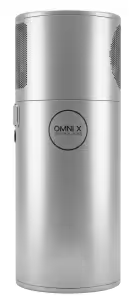
Heat Pump Hot Water
A heat pump works like a reverse refrigerator — it extracts heat energy from the surrounding air and uses it to heat your water. This means it produces 3–5 times more energy than it consumes, making it by far the most energy-efficient electric option. All-in-one units house the tank and compressor in a single unit, typically installed outside or in a well-ventilated space.
Advantages
- 70–80% cheaper to run than electric storage
- Eligible for large government rebates
- Runs on electricity — no gas connection needed
- Low carbon emissions
- Works with solar panels
Considerations
- Higher upfront cost than electric
- Needs adequate outdoor ventilation
- Slightly less efficient in very cold climates
Electric Storage
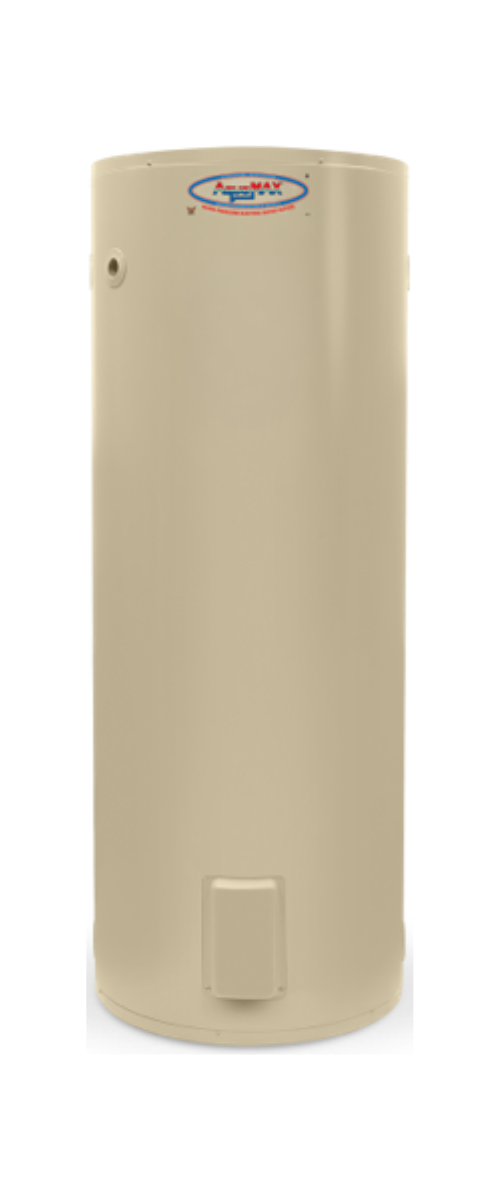
Electric storage hot water systems use an internal element to heat and store water in an insulated tank. They’re the most common type found in Australian homes due to their low upfront cost and simple installation. Off-peak electricity tariffs can reduce running costs, but they’re still significantly more expensive to operate than a heat pump or gas system.
Advantages
- Lowest upfront purchase price
- Simple to install — no gas required
- Wide range of sizes available
- Reliable and low maintenance
Considerations
- Highest ongoing running costs
- No government rebates available
- High carbon footprint on grid power
- Takes time to reheat after depletion
Gas Storage
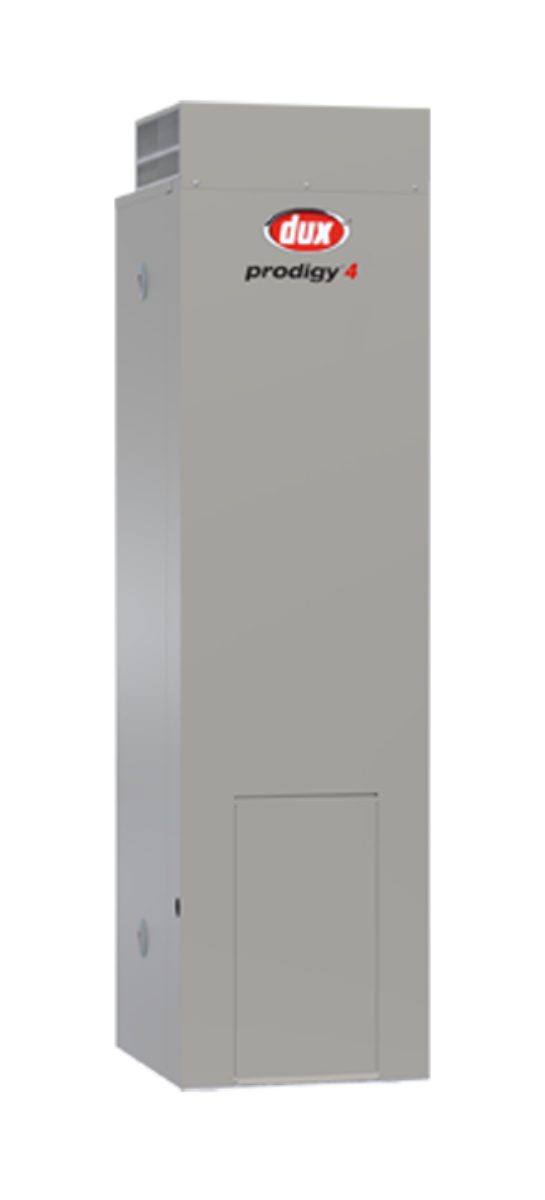
Gas storage systems use a gas burner at the base of the tank to heat water, keeping it hot and ready to use. They heat water faster than electric storage and generally have lower running costs, making them a popular choice in areas with natural gas connections. Both natural gas and LPG variants are available, and modern systems use electronic ignition for efficiency.
Advantages
- Lower running costs than electric storage
- Faster water recovery time
- Works during power outages
- Available in natural gas and LPG
Considerations
- Requires gas connection or LPG supply
- Produces greenhouse gas emissions
- Not eligible for electric rebates
- Gas prices are rising
Continuous Flow (Instant Gas)
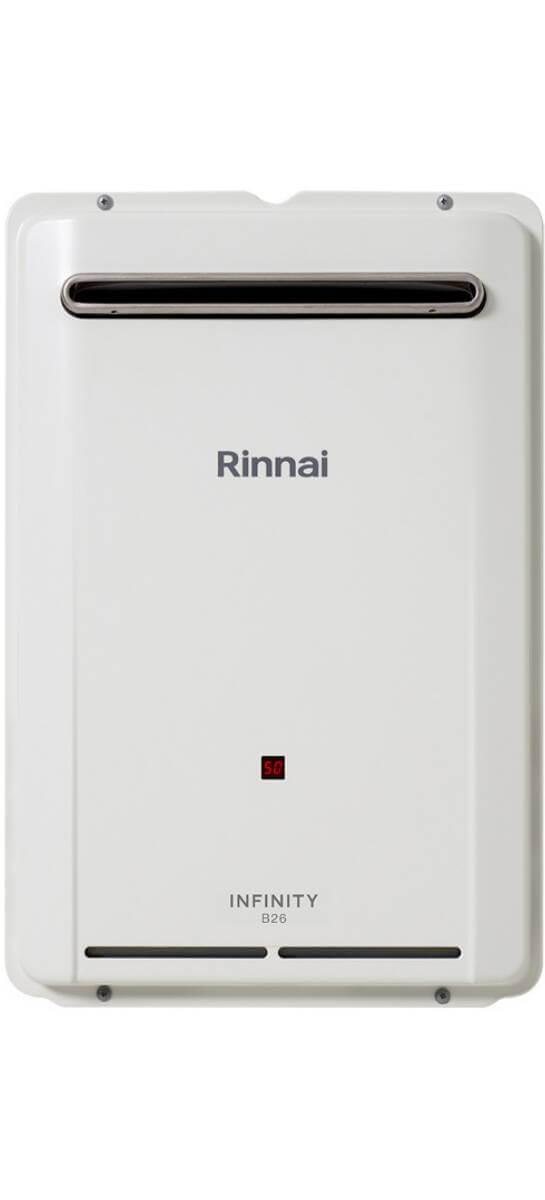
Continuous flow systems — also called instantaneous or tankless hot water — heat water on demand as it passes through the unit. There’s no storage tank, so you never run out of hot water. They’re wall-mounted and can be installed indoors or outdoors. Because they only heat water when you need it, there’s no standby heat loss, making them very energy-efficient compared to gas storage.
Advantages
- Endless hot water on demand
- No standby heat loss
- Compact — no bulky tank required
- Long lifespan (15–20 years)
- Lower running cost than gas storage
Considerations
- Requires natural gas or LPG
- Higher upfront cost than storage gas
- Flow rate limited during simultaneous use
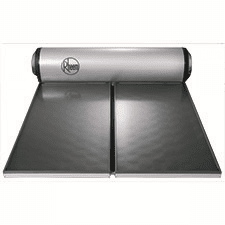
Solar Hot Water
Solar hot water systems use roof-mounted collectors to absorb energy from the sun and transfer it to a storage tank — either on the roof or at ground level. Two main collector types are available: flat plate collectors (lower cost, good in warm climates) and evacuated tube collectors (more efficient, especially in cooler or overcast conditions). An electric or gas booster provides backup on cloudy days.
Advantages
- Very low running costs using free solar energy
- Eligible for government rebates (STCs)
- Significant reduction in greenhouse emissions
- Long lifespan with proper maintenance
Considerations
- Higher upfront cost
- Requires suitable north-facing roof space
- Output reduced on overcast days (booster needed)
- More complex installation
A quick-reference guide to help you choose the right system for your home.
| System Type | Upfront Cost | Running Cost | Efficiency | Needs Gas? | Gov’t Rebates | Lifespan | Hot Water Supply |
|---|---|---|---|---|---|---|---|
| ⚡ Heat Pump | $$–$$$ | Very Low | ★★★★★ | No | Yes | 10–15 yrs | Tank |
| 💡 Electric Storage | $ | High | ★★ | No | No | 8–12 yrs | Tank |
| 🔥 Gas Storage | $$ | Medium | ★★★ | Yes | No | 10–12 yrs | Tank |
| ⚡ Continuous Flow | $$ | Low–Med | ★★★★ | Yes | No | 15–20 yrs | Unlimited |
| ☀ Solar | $$$ | Very Low | ★★★★★ | Optional | Yes (STCs) | 15–20 yrs | Tank |
Not Sure Which System Suits You?
Our team knows every brand and system type we carry inside out. Give us a call and we’ll recommend the right hot water system for your home, budget, and energy goals — and supply it the same day.